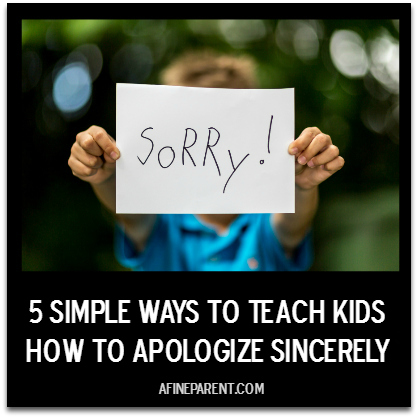
 Isn’t it amazing that “I’m Sorry” is just two simple words, yet pack such an unbelievable punch?
They have the ability to mend a hurt just by dancing across our lips in a sincere manner.
Yet, those two little words are the most difficult words for us to utter at times.
I remember as a child I was invited to my best friend’s pool party. She also invited some other friends from school. I was a few years younger than her, so I felt a little out of place.
My friend got busy with her school friends, and I felt as though she had forgotten about me. She didn’t do much to make me feel included so eventually tempers boiled. One thing led to another, and we ended up in an argument.
I remember going home in tears that day because that was the first time I had ever felt such rejection by such a close friend.
This was the first big argument between us. We had never been so mad at each other before as to stop speaking. This argument was different. We didn’t speak for days after the incident. Neither of us knew how to apologize and take that first step towards reconciliation.
Eventually, I remember her calling and apologizing for me feeling excluded. It may have been days since we talked, but those two magic words – “I’m sorry” – brought so much peace to my young heart. I quickly jumped in with my own apology for the hurtful things I had said during our argument. And just like that, the world tilted back on to its axis again.
In the years since then, I have seen many relationships – from childhood friendships all the way to marriages – being mended and torn apart. Whatever the underlying cause for conflict, in most cases, the mending usually starts with those two simple yet powerful words – “I’m sorry” – said sincerely. And in cases where things fall apart, it is often due to the lack of courage to say or mean those words.
I want for my kids to be able to use the power of these words for mending. I want them to be able to sincerely say “I’m sorry” and fix a situation when it runs away from them.
At the same time though, I don’t want to force this lesson upon them. Most of the power behind “I’m sorry” comes from the sincerity with which it is said. Sincerity is something I can demonstrate but can’t force my children to feel.
So how can I teach my kids how to apologize sincerely?
Well, here is what I have learned through my experiences so far –
 Have you ever lost something or someone you love? Do you remember the sinking sensation that dealing with loss brings?
 They’re watching you.
 I’ve ceased to be amazed that kindergarteners have homework, but I was startled to hear that one little tyke faced homework assignments not just from school, but also from his Extended Day after-school program. Even Sunday schools are starting to give homework.
 In my house, 90% of all arguments start with a “Can I?” followed up with a “No.”